Redesign for second-hand design furniture webshop
- Client
- TROC Leuven
- Built with
- Shopify
- Timeframe
- 1 year
- Services
- Migration, Redesign
TROC Leuven is a premium second-hand store that grew an international audience through its Shopify webshop. What began as a side channel turned into a major revenue stream, with collectors and design lovers from across Europe discovering the curated finds the team puts on the floor each week. As the business matured, the site started lagging behind the brand. The old Shopify template covered the basics, but it didn't reflect the quality of the products or the people behind them.


- Every piece is a one-off. One item, one set of photographs, its own provenance.
- Sold is gone. There is no restock and no second chance to sell the same thing.
- The floor turns over every week, so the site is never finished.


- Built for variants and restocks, so it treated a 1964 lounge chair like a t-shirt in five sizes.
- Provenance, dimensions and condition lived in free text, written differently on every product.
- The menu was assembled by hand, so it was out of date the moment it was saved.
A storefront built around the object
We rebuilt the front of the store around what the catalogue actually is: single pieces, each with a history and a size and a condition, each available exactly once. The menu, the product page and the way a piece is held all follow from that.

01 Menu
A mega menu that builds itself
It reads the navigation and the collections straight from Shopify, counts what is in each one, and puts this week's arrival beside them. Add a category and it appears, with the right title and image and nothing to assemble by hand.

02 Product
Everything a collector decides on
Designer, manufacturer, country, year, material, model and condition are product fields now, and they arrive on the page as a provenance table. What is left empty simply does not show, so a thin record is a shorter page rather than a page with holes.

03 Reserve
Held until closing time
Dimensions sit under the provenance, and under those the three ways to act: buy it, buy it now, or ask the shop to hold it. The form notifies rather than holds stock, and the shop confirms with one field on the product.
What TROC changes without asking us
Nothing below needs a developer. It is a field, a dropdown or a checkbox in the Shopify admin, and the site follows.
Specifications the shop can trust
As free text, the same condition can be written three ways across a catalogue and no two products compare. As fields, they compare by construction, they feed the tables, and they are the thing a collector is actually reading before they decide.


How we worked
Nothing was added to the stack: the mega menu, the reservations and the spec tables all run inside the theme. Orders and monthly revenue are pushed into the team's Slack, so the shop floor sees what the webshop is doing without opening a dashboard. Every quarter we go through the numbers together, and what gets built next comes out of that.
10.000+
Products in the showroom
11
Product fields behind the specs
2
Tables built from those fields
0
Extra apps added

Before and after
Before
- Plain webshop
- Little to no brand elements
- Classic, straightforward Shopify template

After
- Has a premium feeling
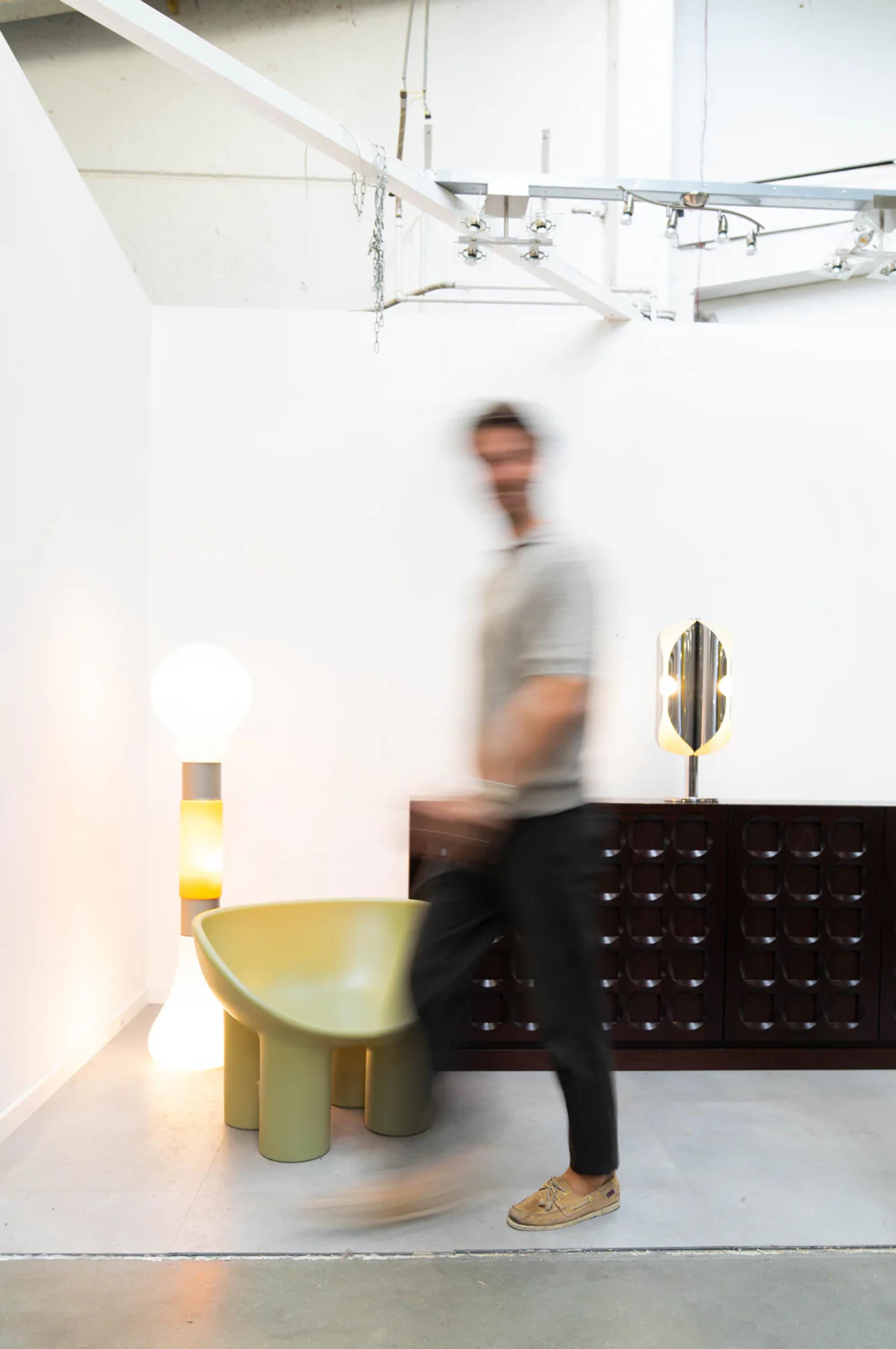
- Shows faces and the people behind TROC
- Uses CRO best practices